



The world of online gaming continues to experience seismic shifts, with regulations and technologies evolving at a breakneck pace. The Philippine Amusement and Gaming Corporation (PAGCOR) finds itself at the forefront of this change, serving as both a regulator and a beacon for best practices in the industry.
PAGCOR's influence has been paramount in shaping a comprehensive framework that balances industry growth with consumer safety. As online gaming proliferates, PAGCOR's guidelines serve as a critical reference for other countries grappling with similar regulatory challenges. Its policies, which focus extensively on responsible gaming and fair play, demonstrate a proactive approach that others are beginning to emulate.
In recent years, PAGCOR has spearheaded initiatives that integrate advanced technologies like blockchain for transparent transactions and AI for detecting fraudulent activities. Such innovations are crucial as the industry faces heightened scrutiny over security breaches and unethical practices. PAGCOR's push for technological integration showcases its commitment to maintaining integrity within an ever-expanding market.
Meanwhile, new platforms are emerging, causing a surge in both competition and innovation. This burgeoning landscape has drawn major investments from tech giants eager to capitalize on this lucrative sector. With this influx of capital, startups and seasoned companies alike are engaging in a race of creativity, developing immersive experiences that continue to captivate millions globally.
However, the global dynamics are also intensely influenced by socio-political factors. As nations debate legalization, taxation, and ethical implications, PAGCOR offers a balanced model reflecting both economic benefits and moral considerations. The organization's ability to adapt to both local and international demands highlights its strategic vision for sustainable growth.
Looking forward, industry experts anticipate further collaboration between PAGCOR and international regulators to harmonize standards across borders. This harmonization is essential as the digital world becomes increasingly interconnected, necessitating uniformity in gaming laws to safeguard players and preserve industry integrity.
In closing, PAGCOR's role is not just a national responsibility but a template for global practices. As the gaming industry navigates its multifaceted challenges, organizations like PAGCOR are pivotal in ensuring a safe, equitable, and thriving environment.

Exploring PAGCOR's impact on the online gaming landscape in 2025, addressing regulation and industry dynamics.

Exploring PAGCOR's influence on international online gaming and its economic implications.
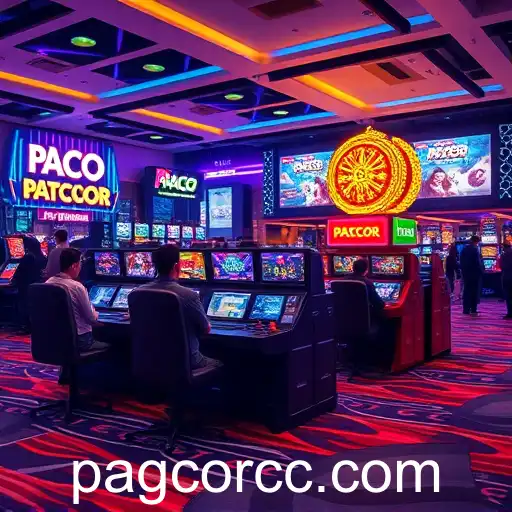
Explore how PAGCOR has influenced the international landscape of online gaming through innovative regulations and strategic partnerships.

An in-depth look at Pagcor's role in regulating the gaming industry, its impact on the economy, and future prospects.

Exploring the evolving landscape of online gaming and its regulation in 2025, with a focus on PAGCOR's role.

Exploring the role of PAGCOR in shaping gaming regulations and its impact on the industry in the Philippines and beyond.
